Where to Buy Quality Shells for Jewelry Making
The allure of the ocean has always held a special place in fashion, but the rise of eco-friendly jewelry making has brought natural elements like seashells to the forefront of design. Whether you are crafting a delicate dentalium shell necklace or experimenting with bold, textured statement pieces, the foundation of a great design lies in your materials. However, finding a reliable source of high-quality shells for jewelry making can feel overwhelming.
With so many options available online, how do you distinguish between mass-produced synthetic replicas and premium, authentic treasures? This guide will walk you through exactly what to look for and where to find the best supplies for your studio.
1. Types of Shells to Look For
Before settling on a supplier, it is vital to understand which types of shells work best for jewelry. Not all shells are created equal, and your choice will dictate the durability and aesthetic of your final piece.
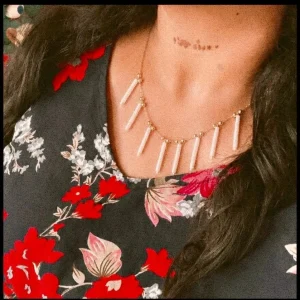
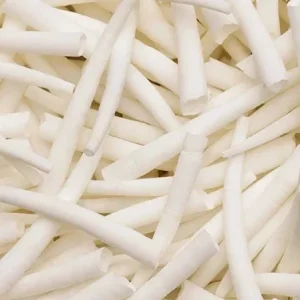
Dentalium Shell Beads: These are highly sought after for their uniform, tapered shape and natural ivory-white color. They act as excellent, naturally hollowed-out beads that add elegance to any design.
Tusk Shells: Often confused with dentalium, true tusk shells are slightly more curved and offer a distinct, organic look that works beautifully in both traditional and contemporary jewelry.
Unique Seashells: From tiny, intricate cowries to structural marvels, incorporating unique shapes ensures your work stands out in a crowded market.
When browsing, always prioritize vendors who offer a smooth dentalium shells combo pack or sorted collections, as these are typically pre-cleaned and inspected for structural integrity.
2. Evaluating Suppliers Online
When you search for seashells for sale, you will encounter a mix of hobbyist marketplaces and bulk wholesale distributors. To ensure you are buying from a reputable source, evaluate them against these criteria:
Transparency in Sourcing: A top-tier supplier will explicitly state whether their inventory is ethically harvested. Look for mentions of eco-friendly practices, as this directly impacts the sustainability of your jewelry brand.
Detailed Product Specifications: Avoid listings that are vague. A professional supplier will provide exact size ranges (e.g., 1.25–2 inches) and clear, high-resolution imagery that shows the actual texture of the shells.
Customer Feedback and History: Check for reviews that specifically mention the condition of the shells upon arrival. You want a supplier who understands how to package fragile items so they do not arrive cracked or broken.
3. Essential Design Tips for Shell Jewelry
Once you have secured your high-quality materials, the design process becomes a true joy. Here are a few professional tips to keep in mind when working with shells:
Balance and Weight: Seashells can vary significantly in weight. If you are designing a dentalium earring set, ensure the shells are matched closely in size and density so they hang evenly without pulling on the earlobe.
Drilling and Stringing: If your shells are not pre-drilled, use a high-speed rotary tool with a diamond-tip bit to prevent splintering. Always string them using durable, moisture-resistant materials like nylon-coated wire or waxed linen to protect against water exposure.
Preservation: To keep your finished pieces looking pristine, apply a thin coat of natural beeswax or a specialized shell polish to enhance their luster and protect them from environmental wear.
Conclusion
Investing time into finding the right source for quality shells for jewelry making is the hallmark of a serious artisan. By choosing ethically sourced, well-sorted materials and applying careful design techniques, you can create stunning, eco-conscious jewelry that captures the timeless beauty of the sea.
Ready to begin your next project? Explore our curated inventory of premium, hand-sorted specimens at dentaliumseashells.com and elevate your jewelry designs with authentic marine treasures today!