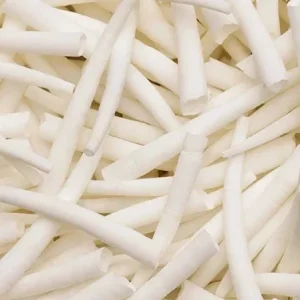
Where Do Dentalium Shells Come From?
Dentalium shells, with their unique, hollow, tooth-like shapes, have captivated humans for centuries. From ancient trade networks across North America to modern, eco-friendly fashion, these ocean treasures hold a special place in the world of jewelry making.
But where exactly do these fascinating tusk shells come from, and how do they make the journey from the deep ocean floor into beautiful artisan designs? Let’s dive into the origin, history, and modern availability of dentalium seashells.
1. The Deep Ocean Floor: The Biology of the Tusk Shell
Unlike typical spiral snail shells or flat clam shells, dentalium shells belong to a unique class of marine mollusks known as Scaphopoda, commonly referred to as tusk shells. These creatures are true deep-sea dwellers, typically living buried in the sandy or muddy sediments of the seafloor.
The animal inside the shell uses a specialized foot to anchor itself in the mud, drawing in microscopic nutrients from the water through the wider opening of its tube. While various species of dentalium can be found in oceans worldwide, the largest, most durable, and historically significant species thrive in the cold, deep waters along the Pacific coast of North America.
2. From Sea to Status: Traditional Indigenous Harvesting
For thousands of years, dentalium was harvested using highly specialized, intensive methods by Indigenous coastal nations, such as the Nuu-chah-nulth of Vancouver Island. Because the living mollusks lived far beneath the surface, harvesters used long, weighted cedar brooms or rakes lowered from canoes to probe the ocean floor and scoop them up.
Once cleaned, these gleaming white tubes became an incredibly valuable commodity. Often referred to as the original “ocean currency,” dentalium shells were traded across vast networks, traveling thousands of miles inland to the Great Plains and beyond. The longer and smoother the shell, the higher its value, symbolizing wealth, status, and spiritual protection when sewn into elaborate capes, dresses, or hair ornaments.
3. Modern Sourcing for Eco-Friendly Jewelry Making
Today, dentalium shells are no longer harvested through grueling deep-water raking, but they remain highly sought after by artisans and crafters. Modern sourcing primarily relies on naturally washed-up shells or carefully regulated sustainable harvesting from coastal regions globally, including the Indo-Pacific.
Because modern creators increasingly prioritize sustainable practices, dentalium has become a staple for eco-friendly jewelry making. These natural, biodegradable elements provide a perfect, earth-conscious alternative to mass-produced plastic beads, allowing designers to create stunning tusk shell necklaces, earrings, and traditional beadwork that honor nature rather than harm it.
Conclusion
From their beginnings buried in the quiet depths of the ocean floor to their legacy as a historic currency, dentalium shells carry a rich story in every piece. Today, they bridge the gap between ancient heritage and contemporary, sustainable style. Whether you are an artisan looking for authentic crafting materials or an enthusiast captivated by marine history, choosing high-quality, responsibly sourced shells makes all the difference.
Ready to start your next creative project? Discover our premium collection and buy authentic dentalium seashells at dentaliumseashells.com to bring a touch of natural history to your jewelry designs!